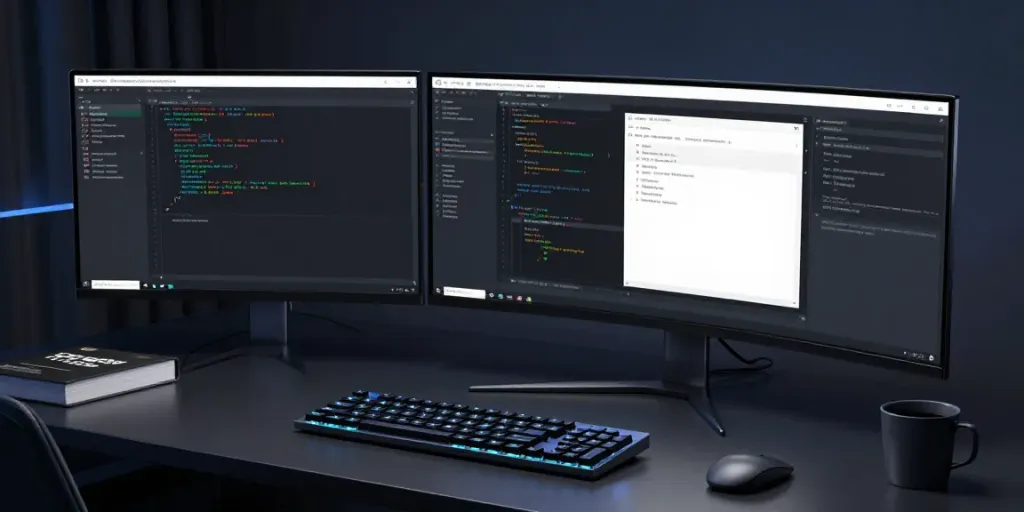
Understanding Code Review in Software Development
In an era where software solutions drive business success, ensuring security and quality during development has never been more crucial. A fundamental component of this quality assurance process is the concept of code review. This systematic practice not only enhances code integrity but also improves collaboration among development teams. By scrutinizing code before it reaches production, teams can prevent vulnerabilities that could be exploited in a cyberattack. As we navigate the 2026 technological landscape, understanding the nuances of code review will equip development teams to mitigate risks effectively and deliver dependable software products.
What is Code Review?
Code review is a software quality assurance activity where one or more developers evaluate source code for errors, adherence to coding standards, and potential security vulnerabilities. This process can take various forms, including formal inspections, pair programming sessions, or the simple use of tools that generate feedback on potential issues. The ultimate aim of code review is to improve overall code quality and ensure that the software meets the required standards before deployment.
Importance of Code Review
The importance of code reviews cannot be overstated. They play a pivotal role in fostering collaboration, enhancing security, and improving code maintainability. A well-executed code review process can:
- Reduce Bugs: Early detection of flaws means fewer issues in production.
- Promote Knowledge Sharing: Developers learn from each other's strengths and weaknesses, enhancing overall team skillsets.
- Improve Security: By uncovering vulnerabilities in the code, organizations can remediate issues before they are exploited.
- Enhance Code Quality: Consistent reviews ensure that coding standards are maintained, leading to cleaner, more efficient code.
Types of Code Reviews
Code reviews can be categorized into several types, which fit different needs and scenarios within software development:
- Formal Code Reviews: These involve structured meetings where code is presented and discussed among developers.
- Pair Programming: In this real-time collaboration, two developers work together; one writes the code while the other reviews it as concepts are implemented.
- Tool-Driven Reviews: Automated tools are used to analyze code and flag potential issues, complemented by human review for context and validation.
- Peer Reviews: Fellow developers review each other's code, which can be less formal and helps build team relationships.
Code Review vs. Application Penetration Testing
Understanding the distinction between code review and application penetration testing is essential for an organization to tackle software security effectively. While both practices aim to identify vulnerabilities in code, they operate at different stages and focus on different aspects of the software.
Key Differences Explained
The primary difference lies in their approaches: code reviews analyze the actual source code and dependencies for potential security flaws before deployment, whereas application penetration testing simulates an attack on a running application to determine what vulnerabilities can be exploited. Code reviews provide insights that pertain to development practices, while penetration testing evaluates how well those practices hold up against real-world threats.
When to Use Each Service
Organizations should opt for code reviews when they need early detection of vulnerabilities within the source code or dependencies prior to deployment. This is crucial especially during the software development lifecycle, specifically before major releases or right after significant code changes. On the other hand, application penetration testing should be employed once an application is deployed, allowing teams to gauge how an attacker might exploit discovered weaknesses.
Complementary Roles in Security
Code reviews and penetration testing do not compete; instead, they complement each other within a holistic security strategy. While code reviews can prevent many vulnerabilities from ever being deployed, penetration testing gives an additional layer of assurance by validating the application's robustness against sophisticated attack scenarios. This layered approach is vital for organizations striving to enhance their security posture effectively.
Best Practices for Effective Code Review
To maximize the benefits of code reviews, teams should adhere to best practices that ensure the process is efficient and effective. These best practices include:
Manual vs. Automated Reviews
Combining manual and automated reviews can offer a comprehensive analysis of code quality. Automated tools can quickly identify code smells and potential security vulnerabilities, but human reviewers are necessary to interpret these findings within the application's context. Leveraging both methods ensures a thorough review and helps minimize false positives.
Common Tools for Code Reviews
Numerous tools can aid in the code review process. Popular options include:
- GitHub Pull Requests: Offers inline commenting and code review capabilities for development teams using GitHub.
- Gerrit: A web-based team code collaboration tool that allows for code review.
- Crucible: A code review tool that integrates well with other Atlassian products.
- SonarQube: An open-source platform for continuous inspection of code quality.
Measuring Success in Code Review
Measuring the effectiveness of code reviews is crucial for continuous improvement. Key metrics can include:
- Time to Review: Tracking how long it takes for code to be reviewed can help identify bottlenecks.
- Defect Density: Reviewing the number of defects found during initial development versus before release can measure the quality improvement.
- Review Coverage: Monitoring how much of the codebase is being reviewed can ensure that all parts of the application receive appropriate scrutiny.
Integrating Code Review in CI/CD Pipelines
With the rise of continuous integration and continuous deployment (CI/CD) frameworks, integrating code reviews into these pipelines enhances software quality and security. Effective integration involves:
Continuous Integration Best Practices
Incorporating code reviews into CI workflows can help enforce standards and improve results. Best practices for CI integration include:
- Automated Testing: Running tests automatically after each build helps catch failures early in the development cycle.
- Pre-Commit Hooks: Implementing hooks that trigger code reviews before a branch is merged can maintain high-quality standards.
- Feedback Mechanisms: Establishing structured feedback loops that involve both automated and human review processes ensures continuous improvement.
Automating Code Quality Checks
Automation plays a crucial role in modern development workflows. Incorporating automated quality checks as part of CI/CD can include:
- Static Code Analysis: Tools that analyze the code for adherence to best practices and potential vulnerabilities.
- Dependency Scanning: Checking third-party library versions against known vulnerabilities provides a layer of supply chain security.
- Integration Tests: Running integration tests can identify issues that arise when multiple components interact.
Feedback Loops in Agile Development
Effective feedback loops are essential in agile development. This involves creating an environment where code is constantly reviewed, allowing teams to adapt and refine their processes rapidly. Feedback can be gathered through regular check-ins, retrospectives, and continuous stakeholder involvement.
Future Trends of Code Review in 2026
As technology evolves, code review practices will also adapt to address emerging challenges and opportunities. Key trends include:
AI in Code Reviews
The use of artificial intelligence in code reviews is expected to rise significantly. AI can assist in identifying patterns and anomalies in code, helping to reduce human error and improving efficiency. Tools that leverage machine learning could provide tailored recommendations based on the historical context of code changes.
Emerging Security Threats
As cyber threats become more sophisticated, code review processes will need to evolve to counteract these challenges effectively. Security measures should not only focus on traditional vulnerabilities but also on emerging threats such as supply chain attacks and those exploiting machine learning systems.
Impact of Open Source on Code Quality
The reliance on open-source components will continue to influence code quality profoundly. Organizations must adopt best practices for managing open-source dependencies, ensuring that security practices are not sacrificed in favor of speed and convenience.